January 15, 2020

January Kitsuke

After Shigyoshiki and Hatsuyori celebrations took place in the Karyukai, it is time to get back to semi-formal hikizuri and hairstyles. All antique hairpins, expensive obi and luxurious kuromontsuki  are hidden as okiya's precious belongings till special event occurs. Now let's have a look at the kitsuke worn in January by members of Hanafusa okiya
Geiko Kikumaru(blue), Maiko Kikune(shibori black), Maiko Kikushino(shibori red and black) and Geiko Kikutsuru(green)
Geiko Kikutsuru, during January events at Kyoto Kagai sim and outside, will wear solid green semiformal kimono with colorful chrysanthemums, plums,fans and also peonies. Gorgeous piece! Chrysanthemum or Kiku (in Japan) is considered an auspicious flower as well as is the part of names of all Hanafusa okiya members so no wonder that a lot of this flower design is going to be seen on the outfits of Kyoto Kagai members. Why auspicious? Well, this flower is considered auspicious as these flowers bloom when no other flowers do as well as plums. The obi is golden and hold the kimono close. The juban features red plum blossoms and remind us that soon the winter will be over.
Geiko Kikumaru decided on wearing eye-catching semiformal kimono with chrysanthemums and waves on the blue background. The pattern is located under the waist line and is a perfect winter design for a Geiko. It is tied with colorful stripe obi, that was bamboo. Both Kimono and Obi belog to Kikumaur san and were part of the wardrobe ordered for her erikae. Obiage and obijime are of red color and go well with the ume(plum) blossoms on the juban.
On her feet she has Yuki geta with a special cover that is used for winter walks especially duing snowfall. Both covered and uncovered geta can be used during winter, that's why you can see both variants worn by 2 geiko san from Hanafusa okiya.
In the first month of 2020, Maiko Kikune san is wearing black hikizuri made in a shibori style. Most kimonoes created in this style are extremely expensive as it takes months to complete one piece (shibori is a Japanese tie-dying technique, using a variety of techniques in different shapes to make different patterns. Shibori technique dates from the 8th century. Amazing!). The kimono is tied with a green obi, that has golden geometrical design. The green on the obi goes beautifully with the green of the undergarment as well as green hanakanzashi. The Seasonal kanzashi for seniors most often feature pine, bamboo and plums in more subtle, pinkish and beige colors than worn by Juniors.
For January Maiko Kikushino san is wearing black and red hikizuri, made in shibori style (same style as her neesan Kikune). The darari obi has green and gold woven pattern representing bamboo. It goes really nice with the hikizuri! Her eri is also different from her sisters' - some white elements embroidered on the red background symbolizes that she's still a "baby" and a junior Maiko.
As for the hairstyle, it is called Wareshinobu and is decorated with special seasonal kanzashi - Sho Chiku Bai (pine, bamboo and plum).
Kago is red, with Maiko Kikushino's name sewn on it. This special kago was given as a present on the day of her Misedashi.
As Junior Maiko, Maiko Kikune is wearing high okobo but with red stripes

January 14, 2020

Shigyoshiki Kitsuke of Hanafusa okiya memebers

"Shigyoshiki" refers to the beginning of a new year in Kyoto's five hanamachi or "flower towns". Wearing black formal kimono, called Kuromontsuki, the Geiko and Maiko of the neighborhood renew their vows and visit the local ochaya(teahouses) and important patrons to wish the beginning of a prosperous new year. Many beautiful pieces were spotted and it was decided to write a post that would focus on the formal kitsuke worn during the Shigyoshiki 2020 by Hanafusa Geiko and Maiko
from left to right: Maiko Kikushino, Geiko Kikumaru, Okaasan Kikuyu, Geiko Kikutsuru and Maiko Kikune
For Shigyoshiki 2020 Okaasan Kikuyu has chosen a tomesode. Her tomesode features different elements such as green momiji leaves, matsu, chrysanthemums, pampas grass making this tomesode perfectly fit for the season. This formal maru obi is pink with silver tied carefully into otaiko style knot worn only during formal okasions
Her hair is in Yoohatsu style which basically means "western hairstyle" and made from geikos own hair. It is not as complicating as Maiko san's wareshinobu or ofuku, rather some simplified and mature, yet still need to be done by a professional hairdresser. You can often spot geiko wearing this type of hairstyle during the day or some jikata geiko during the events.
No juban elements are seen and on her feet okaasan is wearing comfortable golden zouri.

Geiko Kikutsuru's Kuromontsuki is one of a kind and has many multi-seasonal and eye-catching motifs that are hand-painted - strong boats fighting the high waves, pine etc. It is tied with golden Darari obi, that not only gives the finishing touch the ensemble but also supports the back of geiko, as the kimono, especially formal kuromontsuki, are extremely heavy. No obijime or pocchiri are worn with formal outfit.
The wig Kikutsuru san is wearing in japanese is called Katsura, and it is styled in Geiko Shimada style. For formal events, kanzashi hairpins that are used for decorating katsura, are made from most precious and luxurious materials, such as tortoiseshell, gold, expensive stones etc. Tortoiseshell kanzashi are most unique and antique as nowadays the craftsmen that work with this material are almost non-existant.

It is first Shyoshiki for Geiko Kikumaru san so as a fresh geiko she is wearing full geiko set with kuromontsuki and oshiroi. Her formal black kimono features tsuru(cranes) flying upon the waves. It is tied with white and golden obi that has fan flower motif. Geiko's obi (apr. 440 cm long) are bit longer than simple women's obi. Also, for geiko's obi, patterns are created upside down, so when it is tied in Geiko Taiko knot, the pattern will have the correct position, facing upwards.
She is wearing a katsura wig, same as her oneesan Geiko Kikutsuru. Kikumaru san has decoraed it with Bekko (tortoiseshell) comb that features mon of Hanafusa okiya, Bekko Kogai at the back and a traditional dove and rice maezashi (worn only a small period of time during January). Though worn by both Maiko and Geiko, these maezashi are placed on different sides of the hairstyle.

During Shigyoshiki guests and patrons could witness Maiko Kikune san for the first time as senior maiko. Her Kuromontsuki has many lucky as well as multi-seasonal motifs that are hand-painted - ox-drawn carriages, chrysanthemums, waves, peonies, plum blossoms, pine, summer grasses etc. It is tied with golden Darari obi, that not only gives the finishing touch the ensemble but also supports the back of maiko, as the kimono, especially formal kuromontsuki, are extremely heavy. No obijime or pocchiri are worn with formal outfit.
Formal wear also means that Senior maiko will change from ofuku hairstyle to Yakko Shimada. This is also first time Kikune san wears this hairtyle. As well as geiko san, Maiko san too are given opportunity of wearing gorgeous and expensive kanzashi - if you look at the hair of Kikutsuru san, you can notice Bekko Kushi (comb) with Hanafusa okiya mon, Bekkou Hirauchi, Jade Tama, special January daikan (front) kanzashi, maezashi with bira oghi and small pin called bira dome. For Shigyoshiki both Junior and Senior maiko wear rice husk maezashi with eyeless dove - rice grains can be given to customers and are considered symbols good luck and fortune

As the youngest maiko in the okiya, Maiko Kikushino san wears most colorful and elaborate kuromontsuki in the okiya. This exact piece features seasonal flowers, leafs as well as many good luck motifs - everything hand-painted on the silk by a skilled master. The obi was carefully selected for this special event as is created with beige and golden silk threads. As junior maiko, she ties obiage cloth on the top of the obi, rather than seniors who tuck it into.
As she is still young maiko, her own hair is styled, even during formal events as Shigyoshiki, into Wareshinobu hairstyle. Decorated with elaborate bekkou kushi, Bekkou Hirauchi with coral Tama, carefully selected maezashi with seasonal hanakanzashi, more colorful than senior maiko. As for the rice husk maezashi with eyeless dove - not only grains bring luck, but also the eyeless dove has its special meaning - maiko or geiko fill in one eye and ask guest/very special person they like to draw the other for good luck in the coming year. This tradition differs from hanamachi to hanamachi, nevertheless it is considered as lucky charm.

January 13, 2020

Shigyoshiki in Kyoto Kaburenjo (2020)

Last week Kyoto Kagai sim hosted Shigyoshiki - annual traditional opening ceremony, that marks the start of another business year in the Karyukai. Geiko and Maiko of Hanafusa okiya gathered at Miyagawacho Kaburenjo theater, wearing most formal black kimono called Kuromontsuki and renewed their vows for the new year. This is one of the few occasions when patrons and guests can see all of Kagai members gathered together wearing full regalia.

Okaasan Kikuyu welcoming Guests, Patrons and Kagai Memebrs during Shigyoshiki 2020
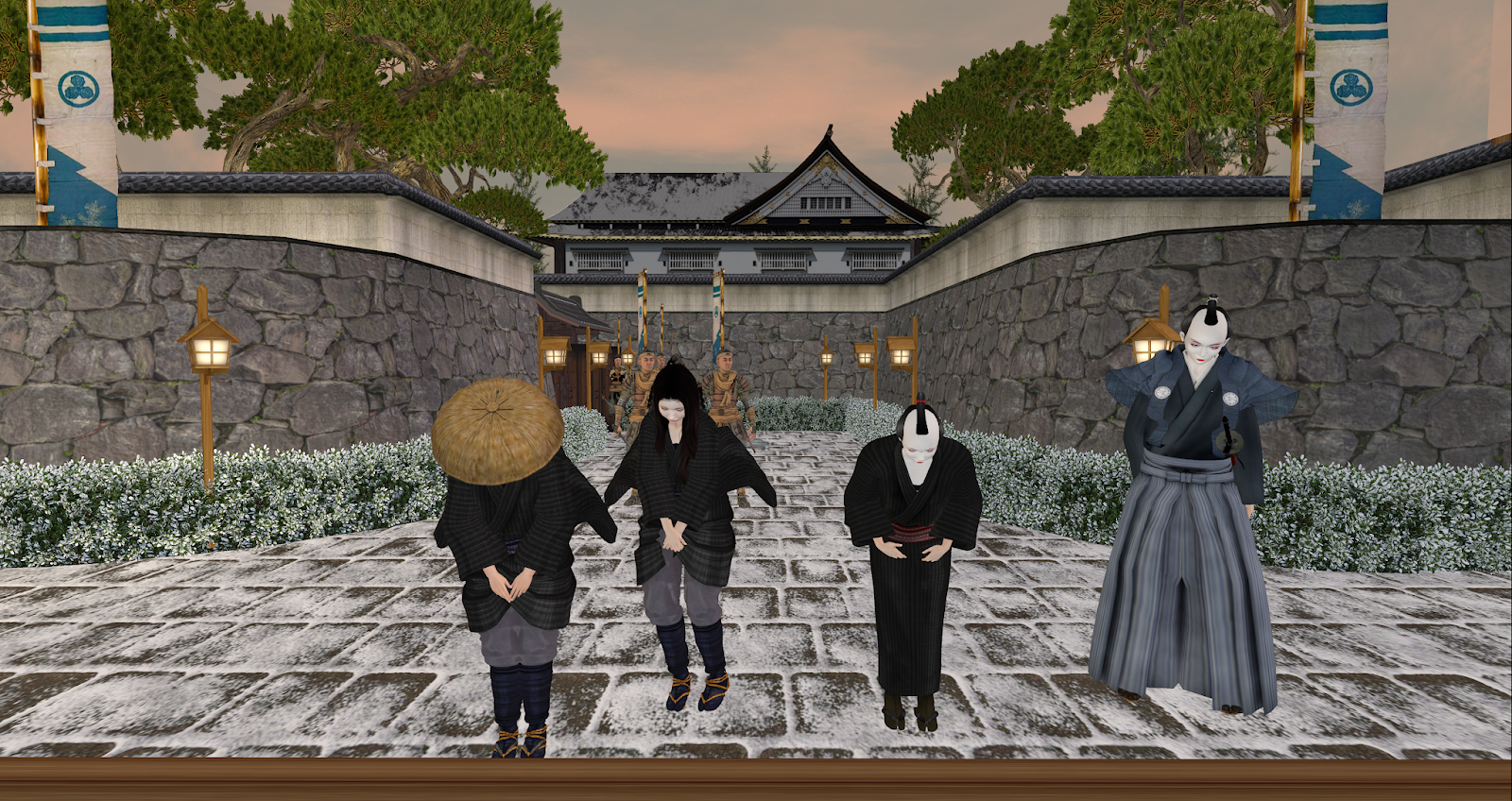
At the beginning Okaasan Kikuyu welcomed guests as well as kagai members with an inspiring speech. After she welcomed maiko and geiko to enter the stage and present the vows. They entered in strict ranking: first geiko, than senior maiko, than junior maiko.

from left to right: Okaasan Kikuyu, Geiko Kikutsuru, Geiko Kikumaru, Maiko Kikune and Maiko Kikushino
After the vows were pledged, maiko and geiko offered sake and, specially prepared for this event, osechi (traditional Japanese New Year foods).

A new year, a new beginning, an empty sheet of paper where you can write anything you wish for. We hope that 2020 will bring You, Your family and friends many delightful days, filled with joy and happiness. With gratitude in our hearts, we sincerely thank you for your support and humbly hope that You will continue to support us in the future "Yoroshiku otaomoshimasu" 

January 8, 2020

Shigyoshiki 2020 at Kyoto Kagai sim

Konnichiwa dear guests and patrons of Kyoto Kagai sim,
Maiko and Geiko of Hanafusa okiya invite You, Your family and friends to take part in one of the most important event in life of our sim - Shigyoshiki.
❀ Date: Saturday 11th of January
❀ Time: 11.00 am slt
Shigyoshiki is the annual (traditional) opening ceremony in Kyoto that marks the start of another year for Kyoto’s Geiko and Maiko. They gather in their local hanamachi wearing formal black kimono and renew their vows for the new year. The most successful members of the Kagai of the previous year for their district receive an award of excellence.
Following the ceremony, the Maiko and Geiko visit the local tea houses and business establishments to wish the start of an auspicious and prosperous new year.
❀ This years participants in Shigyoshiki are Okaasan Geiko Kikuyu, Geiko Kikutsuru, Geiko Kikumaru, Maiko Kikune and Maiko Kikushino
LM: http://maps.secondlife.com/secondlife/Kyoto/190/199/31
After the even we encourage you to taste the celebratory sake and take photos with Geiko and Maiko in their best attires :)

January 5, 2020

Seasonal Kanzashi: Sho Chiku Bai

First kanzashi post of the year! Yaaaaay!!!! Sho Chiku Bai kanzashi by Kisetsu, available at SaNaRae from 26th of December till 17th of January. An iconic kanzashi of Winter, that will definitely crown your hair.

Let me shortly explain why i called these kanzashi iconic and why they are suggested as January decoration. To start with, Sho Chiku Bai is an ancient and auspicious Japanese motif, that combines pine, bamboo and plum. Its origins can be found in the Chinese phrase “saikansanyĆ«,” which means "three friends of winter". These plants endured cold winters and therefore became it's symbols and "friends". In Japanese culture, "Sho-chiku-bai" is considered auspicious motif and are alo known as "three elements of Happiness".
The smaller kanzashi on the left is called inaho - ear of rice with a plum blossom and pigeon. Painting the eyes on the pigeon on New year is said to bring luck! Have you tried?

For December 2019/January 2020 SaNaRae event, Kisetsu has prepared 2 different color styles of ShioChiku Bai Tsumami Kanzashi - Classic and Pastel. Each style consists of 3 pieces - Hana Kanzashi (the bigger piece on the right), small kanzashi that for this special month is inaho - dove with rice grains, and a flower bridge. A perfect decoration for your hair in Winter, ne?

Hair decoration: Tsumami Kanzashi - Sho Chiku Bai
Creator: Kisetsu (Nix Marabana)
Available at SaNaRae: http://maps.secondlife.com/secondlife/Spring%20Morning/192/136/4013
After the event you can find these amazing Japanese hairpins in the Kisetsu shop, alongside with high quality Japanese footwear, bags, kimono, hairstyles etc: http://maps.secondlife.com/secondlife/Multitudes/122/141/18


January 1, 2020

Yasaka Jinja is decorated for New year!

Yasaka Jinja is decorated for the New year with precious decor only up for this special time of year.
With this also food stalls and games are ready to be played and tasted!
Come enjoy games with friends, maybe you will win some prizes too!

Happy  New Year from everyone of us in Kyoto Kagai
May the New Year bring you prosperity and peace

Yasaka Jinja at Kyoto Kagai sim

December 19, 2019

Christmas preparations in Hanafusa okiya

There is something special and sacred about these evening family gatherings...
Outside it's snowing, cold winter wind makes you want to stay in bed all the time...
And you go into the living room where your sisters have already gathered...
There is something about the warmth you share with them, on those cold winter days,
Sugary cookies and sweet cacao drinks, the scent of mandarin oranges and cinnamon....
I wouldn't trade those evenings for the world...
Hanafusa Geiko and Maiko gather inside their okiya to decorate Christmas tree

December 13, 2019

December Kitsuke

Dear readers and patrons,
This is last kitsuke post in 2019, next one will be in January 2020. Hanafusa okiya members - Okaasan Kikuyu, Geiko Kikutsuru, Geiko Kikumaru, Maiko Kikune, Maiko Kikushino and Shikomi  Junko hope that the Christmas Holidays and New Year celebrations will bring happiness and joy into your house, and that soon we will meet again in the new 2020 - year of the metal rat.
Now, let's return to the December kitsuke post

Geiko Kikutsuru


Geiko Kikutsuru
Geiko Kikutsuru has chosen beautiful kimono of marsala color and shibori bamboo design at the bottom. Bamboo itself is often associated with winter and symbolizes longevity while shibori is a Japanese tie-dying technique: artist uses a variety of techniques in different shapes to make different patterns. It is tied with light beige obi and features small white and silvery designs.
 The eri(collar) is white, and is the symbol of pureness, femininity and maturity.
As we look at Kikutsuru san's katsura(wig), we will see small yet beautiful silver mazeashi - this small but very stylish hairpin features pampas grass. Light wooden comb is placed in the middle of the wig and gives the finishing touch to whole ensemble.

Geiko Kikumaru


Geiko Kikumaru
In December Kikumaru san will wear light purple kimono with Pine(matsu). This design is associated with New Year and winter itself and symbolizes longevity, steadfastness and wisdom in age. The white and golden obi holds the kimono close and is tied at the back in a Taiko ("drum") knot.
Her juban is light pink and features leaf patterns. Geiko also use red juban but mostly for the formal events where they wear kuromontsuki.
Both Kikutsuru san and Kikumaru san wearing for semiformal events wear wigs styled in Geiko Shimada style also known as Chuu Taka Shimada. This is quite liberating as geiko can sleep on regular pillows as well as wearing western clothes. Maiko can do that too but no when having their hair styled in Ofuku or Wareshinobu.

Maiko Kikune


Maiko Kikune
In December Kikune san will be wearing fabulous green hikizuri with hand-painted matsu or pine tree and snow cloud motifs.
In December all kimonos that maiko san and geiko san wear are linned so to keep the wearer warm during winter coldness.
Her obi is created with golden threads that make a geometrical and flower pattern on lighter background. End of the obi has okiya mon or emblem(as every family in japan, all okiya and yakata in have their own emblems too) which means she comes from this family - Hanafusa okiya.
Her hairstyle is called Ofuku and decorated with seasonal matsu take kanzashi that have 2 blank boards that are signed by kabuki actors during the Kaomise Soken event (you can read more abut event and these kanzashi in this post).

Maiko Kikushino


Maiko Kikushino
In December you can spot Kikushino san wearing hikizuri of regal, deep purple color - a silk masterpiece kept in Hanafusa okiya warderobe. You can see momiji(maple leaf), ougi (fan) and kiku(chrysanthemum). It is held with light beige obi that has leaf design. Both kimono and obi give us feeling of a cold wind that has blown away everything that reminded us of autumn days.
You might have noticed that less and less red is being shown on the Kikushino san's collar. It has been almost 2 years since her debut so no wonder her kitsuke is getting more and more mature.
The juban Kikushino san is wearing has pine needle pattern.
Tabi, worn by maiko, are always white! In case they get dirty or get wet, no need to worry - maiko and geiko always have spare pair or several of those in their kago baskets.

December 12, 2019

Yuki geta to warm your winter walks

Winter is here! 
Are you ready for the snowy days?

Kisetsu store has prepared a winter addition of their wooden geta shoes - please welcome Yuki Geta. 

Several types of these traditional wooden sandals are available at the Kisetsu store - you can choose between lacquered (black or red), dark wood (black or red) and light (pink or coral) colored geta. Whatever yuki geta you decide to get, you can be sure that they will warm your long walks during cold winter months. 

Scared of falling down on ice? No need as all geta have been equipped with anti-slide sole.
So, what are you waiting for?!

Visit Official Kisetsu shop in Second life: 

Geiko Kikumaru, Maiko Kikune and Maiko Kikushino posing in different types of Yuki geta
Photo take at Kyoto Kagai sim

December 10, 2019

Kabuki play "The faithful wife" at Miyagawacho Kaburen-jo

Several days ago Miyagawacho Kaburen-jo theater held a premiere of Kabuki play "The faithful wife", written and staged by Maiko Kikuhino. This Kabuki play tells us story of 2 merchants, who made a bet that Yoshimitsu will seduce the wife of Ryuji, Yukiko. Yoshimitsu bribes Hoji, servant from Ryuji's household, to receive intimate details about Yukiko's body and her ring. Then, Yoshimitsu lies to Ryuji that he has slept with his wife, therefore he saw birthmark on her thigh and that she had given him her wedding ring as a token of her love. Ryuji rushed into the house questioning Yukiko, and after not being able to find the ring, he decides to get rid of her. He calls Hoji, his servant, tells him to take her into the woods and kill her. Hoji disobeys and leaves Yukiko to die in the winter forest, while bringing his master her blood soaked kimono with deer heart and lungs. Yukiko is saved by a Monk and is taken into the temple. After some time, she decides to leave and accidentaly onher way she saves the son of Lord Shibatsu, Shinji, who was attacked by bandits. She carefully takes care of him, until one day comes Lord Shibatsu himself and Shinji asks his father to thank this young lad (Yukiko disguised herself as a young man) for saving him. It is decided that Yukiko/Uki will now serve at the Lords mansion. When Lord Shibatsu, his son and Yukiko/Uki returned to the castle, they saw Ryuji san on his knees waiting for the Lords punishment for killing his innocent wife. Yukiko throws off her disguise and bows deeply before the Lord Shibatsu asking to show mercy on her husband. After seeing that how faithful the wife was to her husband, Lord Shibatsu lets the two lovers go...

The Kabuki play was a success! After the curtains went down, the audience thanked the talented actors with standing ovations.

🎭 Actors:
Geiko Kikumaru - Lord's Shibatsu son Shinji, Narrator
Maiko Kikune - Yoshimitsu(merchant), Komuso monk, Hoji
Maiko Kikushino - Ryuji(merchant), Lord Shibatsu 
Shikomi Junko - Wife of Ryuji Yukiko (Uki)

For those who wanted to come but didn't have a chance, Geiko Kikutsuru san took some amazing photos during the play. Please enjoy!
"All seemed well until one night Ryuji san bumped into an old acquaintance in the local chaya where they drink sake and dine after work ..."
"Ryuji san drew his sword and raised it poised to strike but was too cowardly to strike the blow himself ..."

"Hoji, now fearful for his life, knowing his master is plotting to kill him, sleeps with one eye open and sees a shadow slide past the half open shoji doors and as the light catches the flash of a sword is struck a glancing blow fleas in terror hearing the swish of the blade strike after strike around his ears fleas screaming into the night...."
"I came as quickly as i could when i heard the news that your party had been attacked and sent out soldiers to comb the surrounding area for those bandits, they wont get far..."


Actors are bowing towards the audience

December 7, 2019

Kabuki "The Faithful Wife"

Dear Guests and Patrons,
Miyagawacho Kaburenjo proudly presents Kabuki play "The Faithful Wife".
The premiere will take place on Sunday 8th of December at 11 am slt
Sincerely yours, members of Hanafusa okiya

November 16, 2019

Autumn Kanzashi Gacha by Kisetsu

Hurry up to the The Gacha Garden! Kisetsu has Gatcha with delicate yet eye catching kanzashi pins. They are extremely detailed and look like RL items! There are Ginko tree pins, two pins with rabbits, two styles of tama balls and susuki pns(ones with pampass grass). These are all commons available in silver and gold. There are two rares, definitely worth winning. Thy consist of 2 pieces - Chrysanthemum hanakanzashi piece and maezashi with metal dangling parts called bira-bira. Available in Silver and in gold.
No matter which ones you win, they all are beautfiul accessories made with love and care for the details. All of those can be worn during autumn and some - might be even multiseasonal.

Available at Gacha Garden event (August 2019th): https://maps.secondlife.com/secondlife/Gimme%20Gacha%20Productions/127/135/26
After the event you can find these amazing Japanese hairpins in the Kisetsu shop, alongside with high quality Japanese footwear, bags, kimono, hairstyles etc: http://maps.secondlife.com/secondlife/Multitudes/122/141/18

November 9, 2019

November Kitsuke

Mizuekai odori is over but there is not time to relax on the soft futon - November is here and this means more classes to attend, more ozashiki to hold and events to perform at. Please do not be shy to visit our beautiful sim to enjoy the peak of the fall colors and a sneak peak into the lives of SL Karyukai members.
Hanafusa okiya members posing for photos in their November attires
from left to right: Maiko Kikune(green), Geiko Kikutsuru(beige), Geiko Kikumaru(marsala) and Maiko Kikushino(blue)
For November Geiko Kikutsuru has chosen solid beige kimono with a matsu(pine) design. Perfect kimono for autumn! Her obi is eye catching as it features Japanese giant festival floats appearing from the dark background. Obiage and obijime are of red color and go well with the flowers on the juban.
Geiko Kikumaru: This month you'll be able to see Kikumaru san wearing solid marsala hikizuri with bamboo design. The background of her obi is dark grey and the design on it is of same color as the bamboo on her hikizuri. As for the hair, it is a wig and is decorated with seasonal momiji pin, decorative kushi comb and a red Tama at the back.
Maiko Kikune is wearing a solid green hikizuri with flowery design. You can clearly see branches with chrysanthemums and ume(plum blossoms). Hanafusa okiya also has a sister kimono of this piece, with is specially made for Geiko san and Geiko Kikumaru wore it last month. In her hair she has colorful momiji hanakanzashi, kushi comb and a petite leaf maezashi pin.
Maiko Kikushino: Most colorful of all bunch, Maiko Kikushino chan is wearing beautiful solid blue hikizuri with a bamboo leaf and clams design. If you look closely onto the clams, you'll see red momiji and hexagons painted inside. Her obi is green and has a gold design. Seasonal kanzashi for Junior Maiko san are most eye-catching as they feature many elements and small flowers or leafs.

November 6, 2019

Mizuekai 2019 at Kyoto Kagai sim

On October 26th Miyagawacho Kaburenjo theater opened its doors to those who came to watch annual Mizuekai odori  - autumn dances and poems created by Hanafusa okiya Geiko and Maiko.
This year's participants were Geiko Kikuyu, Geiko Kikutsuru, Geiko Kikumaru, Maiko Kikune, Maiko Kikushino
Act 1: "Tsuru"


A young woman, while embroidering, throws a glance into the garden and notices cranes flying in the sky. A beautiful autumn sight, but it brings back memories of long gone past...


Written and choreographed by Geiko Kikumaru


Act 2: "Ode to Autumn"


Enjoy a fall dance while listening to the Fall poems by each Geiko and Maiko of Hanafusa okiya , let their movements bring you closer to an Autumn sensation

Choreographer by Maiko Kikushino


Act 3: "The forgotten girl in the garden"


A long time ago in a beautiful garden a baby girl was cursed to forever spend her life lost and forgotten among flowers and Autumn leafs...
But one day a stranger visits, will she be rescued?

Written and choreographed by Geiko Kikutsuru


Act 4: "An autumn trip to Kyoto"


Colorful leafs dance in the wind,
While we bring you with us to a day trip to Kyoto town this Autumn

Written and Choreographer by Maiko Kikune


Act 5: "Manzai odori"


There is no Mizuekai without the traditional Manzai Odori

This marks the end of the 2019  Fall dance performed in Miayagawacho


Memebrs of Hanafusa okiya would like to thank our guests, patrons and friends for coming to our Mizuekai 2019. We hope that you have enjoyed our performance as much as we did and we hope to see you next year